
If you’re a parent lying awake wondering why your child suddenly dreads school, or an educator who senses something is wrong but can’t quite name it, you’re not alone. The bullying LGBTQ+ population faces isn’t a rare, isolated problem — it’s a widespread and often invisible mental health crisis playing out in classrooms, hallways, and phone screens every single day.
LGBTQ+ youth are targeted for who they are at a moment when their sense of identity is still forming. The result is a heavier burden of anxiety, depression, and isolation than their peers carry. But here’s the hopeful truth: research consistently shows that one caring adult who notices, believes, and acts can change the entire trajectory of a child’s life. This isn’t about waiting for a crisis. It’s about proactive, compassionate intervention — starting today.
The Impact of Digital Spaces on Bullying LGBTQ+ Population
A generation ago, bullying mostly ended when the school bell rang. Today, it follows kids home, into their bedrooms, and onto the one device meant to connect them to friends.
Cyberbullying LGBTQ youth experience looks different from traditional bullying. It’s relentless. A single cruel comment, a leaked photo, or a fake account can spread to hundreds of classmates within minutes — and it never fully disappears.
This constant digital exposure erodes something crucial: the “safe zone.” In the past, a child could escape harassment by walking away or going home. Now, home is often where the phone buzzes with the next hurtful message. For LGBTQ+ kids who may not yet feel safe coming out to family, this creates a painful trap — nowhere to retreat, and no one to tell.
That’s why digital literacy and open conversation matter so much. Kids need to know that reporting harassment isn’t “tattling” — it’s self-protection, and it’s brave.
Recognizing the Warning Signs
Children rarely announce that they’re being bullied. More often, the signs show up quietly, in shifts you might dismiss as “just a phase.” Pay attention to:
- Academic decline — dropping grades, skipped assignments, or sudden disinterest in a subject they used to love
- Social withdrawal — pulling away from friends, family gatherings, or activities they once enjoyed
- Anxiety or mood changes — irritability, tearfulness, or a noticeable shortening of temper
- ]Physical complaints — frequent headaches or stomachaches, especially on school mornings
- Sleep disruption — trouble falling asleep, nightmares, or excessive fatigue during the day
- Avoidance behaviors — refusing to attend school, take the bus, or use social media they once loved
- Changes in self-expression — suddenly hiding aspects of their identity they’d previously shared with you
No single sign confirms bullying, but a cluster of these changes, especially appearing together, is a signal worth gently exploring.
Action Plan for Allies
Once you suspect something is wrong, the instinct to protect can feel overwhelming. Channel that instinct into a clear, steady plan.
How to support a bullied child starts with listening without judgment. Resist the urge to immediately problem-solve. Let your child tell their story at their own pace, and validate their feelings before jumping to solutions. A simple “That sounds really hard, and I’m glad you told me” can open more doors than any advice.
From there, build a two-pronged approach:
- Advocate at school. Document specific incidents — dates, locations, and what was said or done. Request a meeting with a school counselor or administrator and ask about their anti-bullying policy specifically as it applies to LGBTQ+ students. Follow up in writing so there’s a paper trail.
- Build resilience at home. Connect your child with LGBTQ+-affirming spaces, whether that’s a local youth group, an online community moderated for safety, or even a single supportive family friend. Normalize therapy as a strength-building tool, not a last resort. And keep the lines of communication open, even when your child pulls away — consistency matters more than perfect words.
Small, steady actions compound. A child who feels believed at home can weather far more than one who feels alone.
Moving Forward, Together
No parent or educator can shield a child from every unkind word. But you can make sure that when the world is cruel, home and school are not. Every conversation, every policy you push for, and every moment of quiet listening tells a young person: you matter, exactly as you are. That message, repeated consistently, is what turns survival into healing.
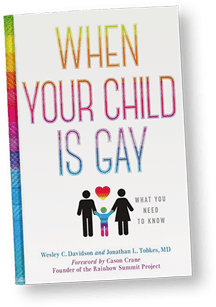
When Your Child Is Gay: What You Need To Know
For more detailed advice, see book, co-authored with a mother of a gay son and a psychiatrist, Jonathan L. Tobkes, M.D.
