
Families are often imagined as stable systems held together by routines, traditions, and shared responsibilities. When life unfolds as expected, those systems tend to function quietly in the background. Meals are prepared, birthdays are celebrated, and daily concerns are managed without much thought. Yet when one member begins to struggle with a serious substance use disorder, the entire family system can be altered in ways that are rarely discussed openly.
Families impacted by drug addiction are often left behind in conversations about recovery. While attention is understandably directed toward the individual receiving treatment, the emotional burden carried by parents, siblings, spouses, grandparents, and even close friends is frequently overlooked. Behind every person battling addiction, there is often a network of loved ones attempting to make sense of fear, uncertainty, disappointment, and hope—all at the same time.
One of the least understood aspects of addiction is the secondary trauma that can be experienced by family members. Unlike a single traumatic event, addiction often unfolds over months or years. Stress may be accumulated gradually through repeated crises, broken promises, financial strain, medical emergencies, or constant worry about a loved one’s safety.
As a result, family members can find themselves living in a prolonged state of emotional vigilance. Sleep may be disrupted. Anxiety may become constant. Simple phone calls or late-night text messages may trigger fear. Over time, emotional exhaustion can be experienced even by those who appear strong on the outside.
What makes this experience particularly difficult is that it is often accompanied by guilt. Parents may wonder whether mistakes were made. Spouses may question whether more support should have been provided. Siblings may wonder if warning signs should have been recognized earlier. These questions are commonly asked, even when no clear answers exist.
Another reality that is rarely discussed is how family roles are unconsciously rearranged around the person struggling with addiction.
In many households, responsibilities begin to shift. One child may become the “responsible one” who attempts to keep peace within the family. Another may withdraw emotionally to avoid conflict. A spouse may take on additional financial or caregiving responsibilities. Parents may devote nearly all their attention to the child in crisis while other family members quietly adapt to the new reality.
These changes are not usually planned. Instead, they are developed gradually as family members attempt to survive difficult circumstances.
A teenager who once relied on parental guidance may suddenly feel responsible for protecting younger siblings. A grandparent may step into a caregiving role. Family celebrations may become centered around concerns about whether a loved one will attend, remain sober, or create conflict.
Eventually, the addiction can become the organizing force around which the entire family operates.
In this environment, enabling behaviors can emerge—not because family members wish to support unhealthy choices, but because fear is often driving decisions.
Money may be provided to prevent homelessness. Excuses may be made to employers or relatives. Consequences may be softened in an effort to reduce conflict. These actions are frequently motivated by love and concern rather than denial.
Unfortunately, enabling behaviors can sometimes delay accountability and treatment. That is why professional guidance is often recommended. Families should not be expected to navigate these complex dynamics without support. No family should have to walk that path alone.
- Substance Abuse and Mental Health Services Administration (SAMHSA) – 1-800-662-HELP (4357)
- National Council on Alcoholism and Drug Dependence, Inc. (NCADD) – 1-800-NCA-CALL (622-2255)
- National Drug Hotline 844-289-0879
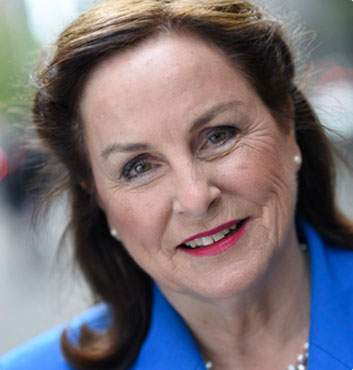
Wesley Cullen Davidson
Wesley Cullen Davidson is an award-winning freelance writer and journalist specializing in parenting. Currently, she is targeting her writing about recovery to parents whose children have substance abuse disorders.