
Watching a loved one struggle with substance use disorder is an experience filled with quiet heartbreak, fear, and exhaustion. When addiction enters a home, families often find themselves navigating a maze of conflicting advice, societal judgment, and overwhelming uncertainty. If you are currently walking this road, the most vital truth to internalize is simple: addiction is not a moral failing or a lack of character. It is a complex, treatable medical condition. Healing requires moving past the out-dated belief that willpower alone is enough, embracing instead the compassionate, evidence-based care models designed to save lives and restore families.
Every recovery journey is unique, but successful outcomes consistently rely on a multifaceted approach that addresses both the physical and emotional dimensions of dependence. Effective treatment pairs behavioural therapy and peer support with structured medical supervision. One of the most effective, research-backed tools available today involves exploring qualified Medication-assisted treatment options. When clinically appropriate medications are integrated alongside counselling and behavioural therapies, they work to stabilize brain chemistry, reduce debilitating cravings, and block the euphoric effects of substances. Rather than substituting one dependency for another, this medical approach provides the vital physiological breathing room an individual needs to engage meaningfully in emotional healing, develop healthy coping mechanisms, and rebuild their daily life.
Access to dignified, high-standard recovery resources should never depend on where a family lives. Across the United States, communities are working to dismantle systemic barriers and expand life-saving support networks. Today, dedicated healthcare professionals, community clinics, and family support groups are offering vital guidance in cities nationwide, including:
- Sacramento, California
- Tulsa, Oklahoma
- Omaha, Nebraska
- Memphis, Tennessee
- Grand Rapids, Michigan
- Hartford, Connecticut
- Buffalo, New York
Whether you are seeking specialized clinical care in Hartford or community-centered outpatient programs in Grand Rapids, finding local providers who align with compassionate, science-backed standards can make all the difference. For parents and loved ones, connecting with local chapters of family support networks in areas like Omaha or Sacramento offers an essential reminder that you do not have to carry this burden in isolation. Peer guidance equips families with healthy boundaries, communication strategies, and the emotional resilience necessary to support a loved one through the peaks and valleys of long-term healing.
The path toward sustained recovery is rarely linear. It requires ongoing patience, professional partnership, and an unwavering commitment to treating individuals with the dignity they deserve. If someone you love is hurting, remember that reaching out for medical expertise and community backing is an act of profound courage. Healing is possible, recovery is real, and the right support can light the way forward.
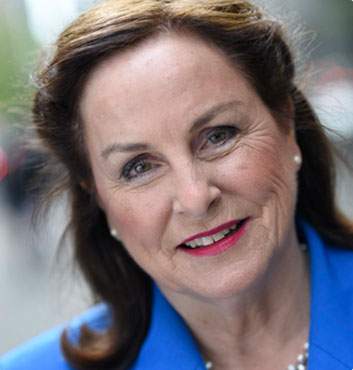
Wesley Cullen Davidson
Wesley Cullen Davidson is an award-winning freelance writer and journalist specializing in parenting. Currently, she is targeting her writing about recovery to parents whose children have substance abuse disorders.